Behind the glitter of London Fashion Week | Two women are redefining access to the industry
This article was written by Demi Karanikolaou for Harper’s Bazaar Greece. You can find it here.
“I wish I could show my work during Fashion Week, love,” a designer friend laughed over coffee in June, before adding, “The costs are just crazy though, so I decided to focus on the collection itself.” Unfortunately, her comment was far from unusual. London has always had something of a romantic relationship with fashion, while much of the appeal of its Fashion Week has been built around the fantasy of being first: the first to spot the next great designer nobody else knows yet, the first to recognise the silhouette that will be everywhere next season, the first to say they “discovered” a name before the rest of the industry noticed. Part of the mythology surrounding Alexander McQueen and John Galliano, after all, lies precisely in that idea: that enormous talent can appear seemingly out of nowhere and somehow find its way to the right places to be recognised. London has always been proud of making that possibility feel real.
Behind the glamour, however, the picture is far less romantic. Long before the breakthrough comes, the reality for artists and other creatives trying to enter the industry can be brutal. Whether we are talking about the venue for a show, production, PR, samples, travel or, of course, the runway itself, everything costs money, and often a great deal of it. Access to buyers, journalists, stylists and the wider Fashion Week ecosystem also frequently happens through networks that emerging designers simply have not had the time to build yet. Ahead of this season’s London Fashion Week, I sat down with two young women and entrepreneurs attempting to open that closed circle a little and make access to fashion a fairer process. “Real talent should receive the attention it deserves, regardless of whether it already has significant financial backing and industry connections,” Serena Lena, co-founder of the NEXMARKET platform and event, told me.
Opening Another Door
That central idea of a fairer fashion industry sits at the heart of NEXMARKET, the multidisciplinary event founded by Serena Lena together with fashion producer and Istituto Marangoni lecturer Youyou Zhou. Always planned around London Fashion Week, the event brings emerging fashion brands into the same space as artists, musicians and other independent creatives, while giving designers the opportunity to offer their pieces directly to the public.
Through our conversations, I quickly understood that the aim for its co-founders was never simply to provide a few days of exposure and then leave it there. With a background spanning artistic direction and production, Zhou has seen first-hand how difficult it can be for independent designers to shift attention towards building a sustainable, growing brand. Visibility is naturally important, but equally important are customers, relationships with the press, collaborators and everything that continues after the runway ends and the lights go out. Fashion Week, however, remains one of the most important moments of the year for most brands, which made me wonder whether the pair were, in some way, attempting to escape the industry’s more complicated structures. Serena disagreed: “We are not trying to replace the traditional Fashion Week system. On the contrary, we want to create another door for someone to enter it.”
When the Runway Becomes a Conversation
With more and more voices across the industry calling out the inequality surrounding access, the numbers remain hard to ignore: only 16% of those working in creative occupations come from working-class backgrounds, compared with almost a third of the UK workforce. With those statistics in mind, I wanted to see from the inside what NEXMARKET actually looked like in practice when I visited in February.
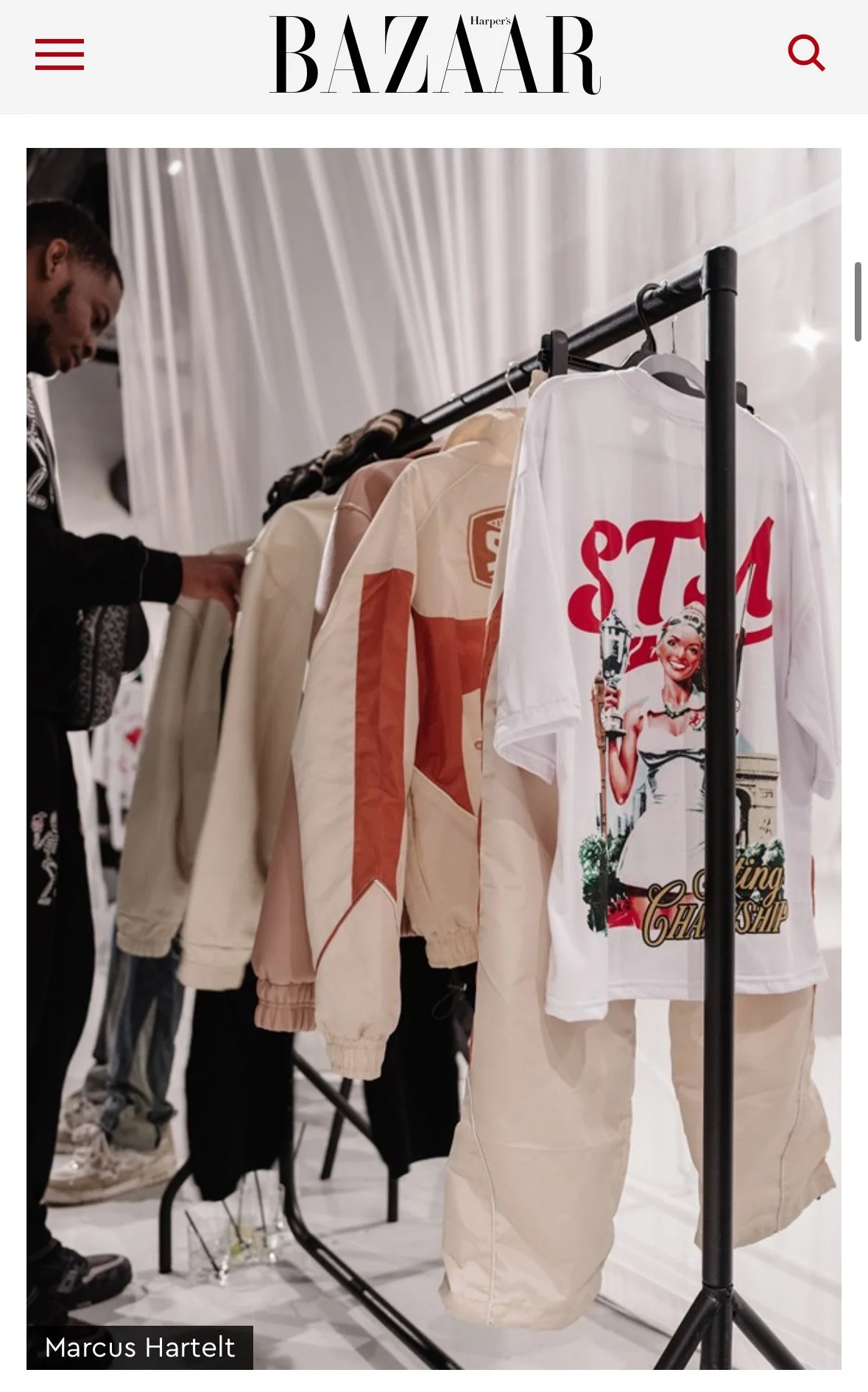
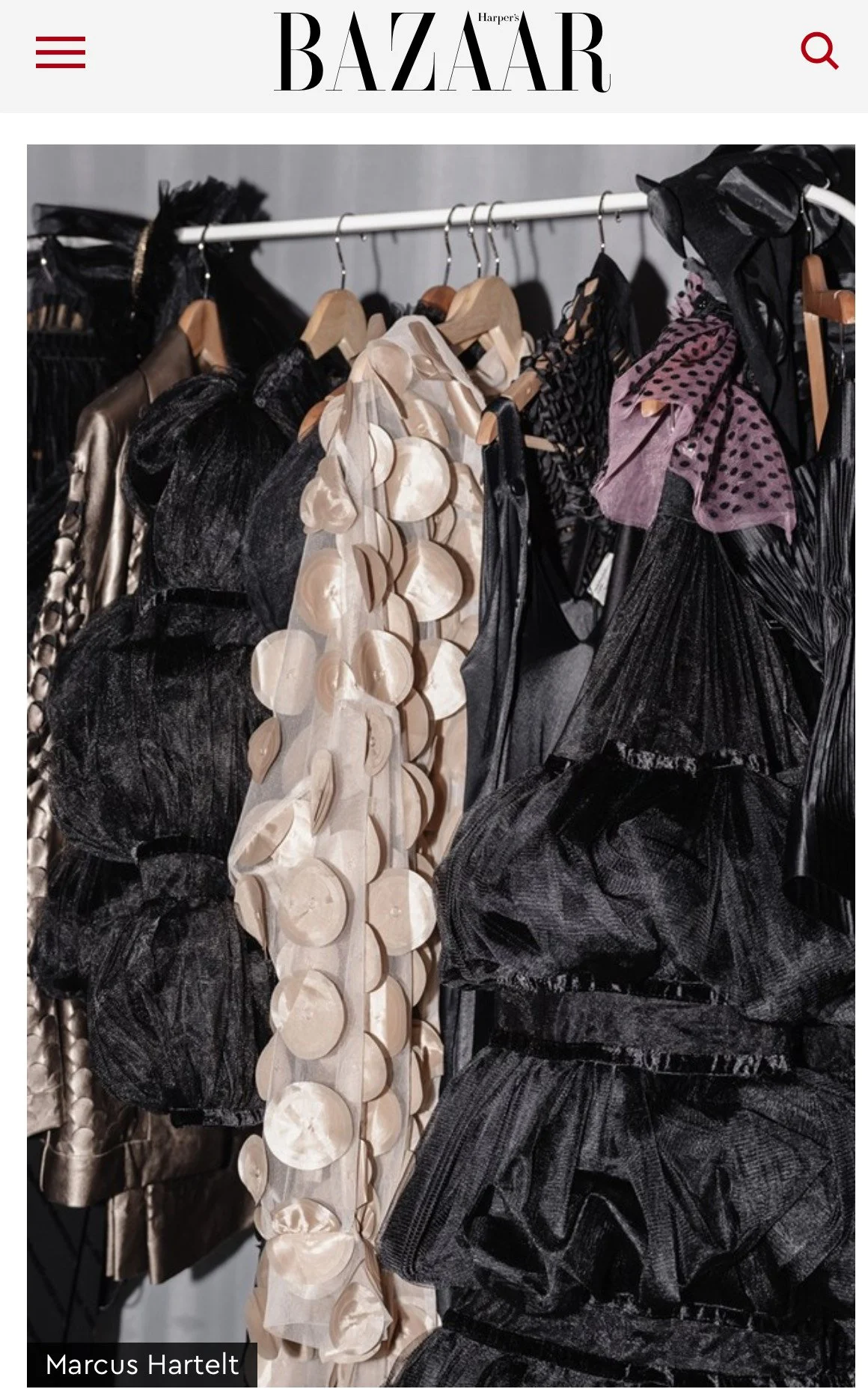
What I found revealed a rarer side of the industry. Racks of clothes sat a few steps away from large-scale artworks, beauty products shared a table with bags that resembled sculptures, and guests casually held drinks while speaking directly with the designers themselves, all as live performances unfolded around them. Even if only for a moment, the familiar strictness of Fashion Week, with its RSVP lists, tough door policies and difficult access, transformed into something looser and more human: a space where senior fashion executives, journalists, students and young creatives coexisted in the most natural way.
Rather than following the sterile logic of a conventional fashion show, the event brought fashion, art, music and shopping together as one. Its most interesting element, however, was less the format itself than all the connections being made within it. There were visitors who came to see one designer and left with a completely different new favourite, fashion students ending up in deep conversations with journalists, and small brands meeting people who could potentially change the course of their business. Connections still matter enormously, even in 2026.
The Infrastructure of Success
The romantic story of the great talent who starts from nothing and reaches the top entirely on their own may have seemed somewhat believable in the past. Today, young designers face a very different landscape. Overexposure, saturation and the growing role of social media have created an environment in which even achieving a degree of fame no longer guarantees genuine support. As Zhou puts it: “Talent alone is often not enough. You need access to an audience, press, buyers, collaborators and a community that believes in what you are doing.”
A photograph, a tag or a brief conversation around your name can create a moment, but on its own it cannot necessarily create a healthy business. What emerging brands really need is the less glamorous infrastructure surrounding Fashion Week: the connections, the first customers and the buyers who return six months later with orders. When I asked Serena what had made her focus specifically on emerging Fashion Week talent, her answer revealed a much longer-term ambition: “It wasn’t simply about offering emerging talent the space and opportunity to present their collections. It was about being able to give them the access that the industry makes difficult to obtain: to people, conversations and opportunities that can continue long after Fashion Week is over.”
London and the Power of Connections
An idea like this makes particular sense in London, a city where fashion has always moved between hierarchy on one side and disruption on the other. Here, luxury meets streetwear, art becomes part of nightlife culture, and graduate designers can share the same creative conversation as established houses. A huge part of London’s creative identity has always rested on the possibility that the next great talent might genuinely emerge from somewhere nobody expected.
Serena Lena put it best: “Connections are what can really make the difference.” I could hardly disagree, particularly after countless similar conversations with friends trying to find their way into the industry. Fashion may never become entirely fair, but opening another door for someone with something interesting to say still matters. And behind the scenes of London Fashion Week, those doors continue to open.