From Studio to Status | How Athleisure Became the New Luxury
This article was written by Demi Karanikolaou for Harper’s Bazaar Greece. You can find it here.
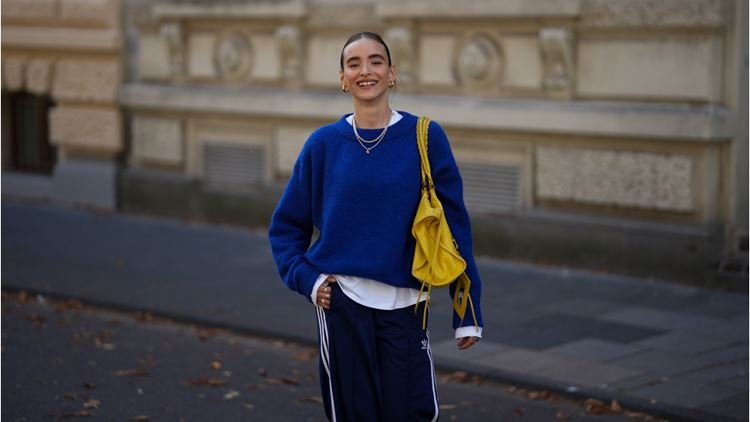
It is 8 am on a cold January morning, yet the city is surprisingly buzzing. Among commuters and school kids, modern fashionistas are heading to their reformer Pilates class. Their uniform is easy to spot: designer bag, stylish sneakers and a luxe leggings-and-top set from their favourite brand of the moment, like Alo Yoga and lululemon.
Market shifts
A decade after “athleisure” - the fashion-forward part of activewear, designed to look presentable all day round - became popular, the category is stronger than ever. The leading brands share common characteristics: elevated materials, editorial imagery, and strong communities. Perhaps most visibly, they create viral moments and shape pop culture - from SKIMS collaborating with Fendi and Roberto Cavalli to Alo Yoga launching Alo Atelier and debuting $3,600 leather goods that nod to Los Angeles’ wellness-and-spirit aesthetic. The message is obvious: this isn’t your typical gym gear, it’s a lifestyle choice.
Retail experts confirm the hunger for more premium products. “We’ve seen great success from upscale athleisure brands, with the category seeing strong growth over the past few seasons. Brands such as TALA, Varley and Adanola are standing out for us offering elevated essentials that work just as well for everyday wear as they do movement. Alongside this, we’ve curated product for a wide range of uses from low-intensity workouts and weekend walks to high-performance training with brands like On Running,” says Ellis Walker, Buyer at Selfridges. Ιndeed, the global athleisure market is projected to grow from $338.5 billion in 2024 to $716.1 billion by 2032, according to Fortune Business Insights.
Inside the industry - and the gap luxury left
This data does not surprise the top influencers building wellness communities. Bryony Deery, founder of Pilates By Bryony, sees the industry’s gradual shift up close. “I’m really noticing that women want pieces that move with them through their day, not just through a workout. There’s a definite shift toward activewear that transitions seamlessly from studio to matcha meetings to errands, without feeling like you’re still in a gym kit. The silhouettes are softer, more considered - neutral palettes, elevated fabrics, flattering cuts that feel intentional rather than technical. These brands feel wearable and aspirational at the same time. This generation is dressing for how they want to feel: confident, comfortable, polished, and put together. In many ways, activewear has become a modern uniform that reflects both wellbeing and identity.”
Akin Akman, CEO of Aarmy Academy & lululemon ambassador, agrees: “There’s definitely a shift. People want pieces that can handle real work - and when they find something that performs, they stay loyal. The premium staples right now are training shorts, performance tops, and technical outer layers designed for performance.” Timing worked incredibly well for newer athleisure brands, who, unlike traditional athletic brands like Adidas or Nike, have identified a market gap in the premium category.
Repeated price rises at heritage luxury maisons have alienated many consumers, who were left lusting after luxury they could no longer afford. Enter luxe athleisure: elevated brand image and sleek design at pricey, but still attainable prices. As Bryony Deery puts it, “Athleisure brands are filling a very real gap right now... there’s been space for brands like lululemon and SKIMS to step in with pieces that feel premium, thoughtful and relevant without the same barrier to entry.”
Social media, activations, and the power of community
Social media and pop-up activations are key drivers of the luxe athleisure trend. Massive reach, designer collaborations, supermodel campaigns and fashion-grade storytelling can propel a wellness brand to luxury levels. At the same time, in-person activations and communities keep demand honest. Selfridges sees the conversion. “We find that community-driven brands and experiential launches consistently translate into stronger engagement and sell-through. Activations are becoming an increasingly important part of how customers discover and connect with active brands, and we have lots of exciting moments planned in this space,” says Walker. Bryony Deery agrees on the social side: “Social media has played a huge role in this shift. We’re constantly seeing how people really wear these pieces, styled, layered, lived in. That visibility creates trust and desire”.
A trend, or the future?
With demand showing no signs of slowing, athleisure is set to grow even further. And while "Made in Italy" luxury handbags might be more experimental for the sector, perhaps the most important challenge will be maintaining elevated brand DNA while also capturing multiple consumer segments. Department stores are already taking note: “We cater to a broad demographic within Active, offering a wide range of price points to suit different needs and lifestyles. This breadth allows us to meet a range of customers where they are, without compromising on quality or design,” says Ellis Walker of Selfridges, continuing: “Matching sets continue to be a key driver, with customers loving the ease of a head-to-toe look from the likes of lululemon. Burgundy is also emerging as a standout trend this season”.
In an earlier era, diffusion lines like Marc by Marc Jacobs and Versus by Versace gave aspirational shoppers an entry point into luxury. Today, elevated activewear fills some of that space - with a completely different promise. Of course, only history will tell whether chic gym clothes are the future of affordable luxury. However, unlike earlier offerings, these pieces aren’t meant for one-off party appearances - but for daily use. As Akin Akman puts it, “The uniform represents excellence. You’re part of something great, you’re part of a team, and you uphold the standard. Better gear can make you better. When you feel good, you perform better - there’s an energy that comes with that. You move with more confidence and you stay locked in.”
And maybe that's the point. In 2026, status signalling isn’t about branded logos - it’s about being able to care for your body and soul and feel genuinely good while doing it. From the actual hours spent in a Pilates studio, to an Instagram post that makes you feel proud and chic, the luxe turn of athleisure feels less like a trend and more like a realisation.